Picture desk
How to write a news photo caption
A caption is not a label and it is not a summary of the story. It is the only place where a reader is told what they are actually looking at, and it is the first thing a lawyer reads when something goes wrong.
Written and checked by the Picdar editorial desk
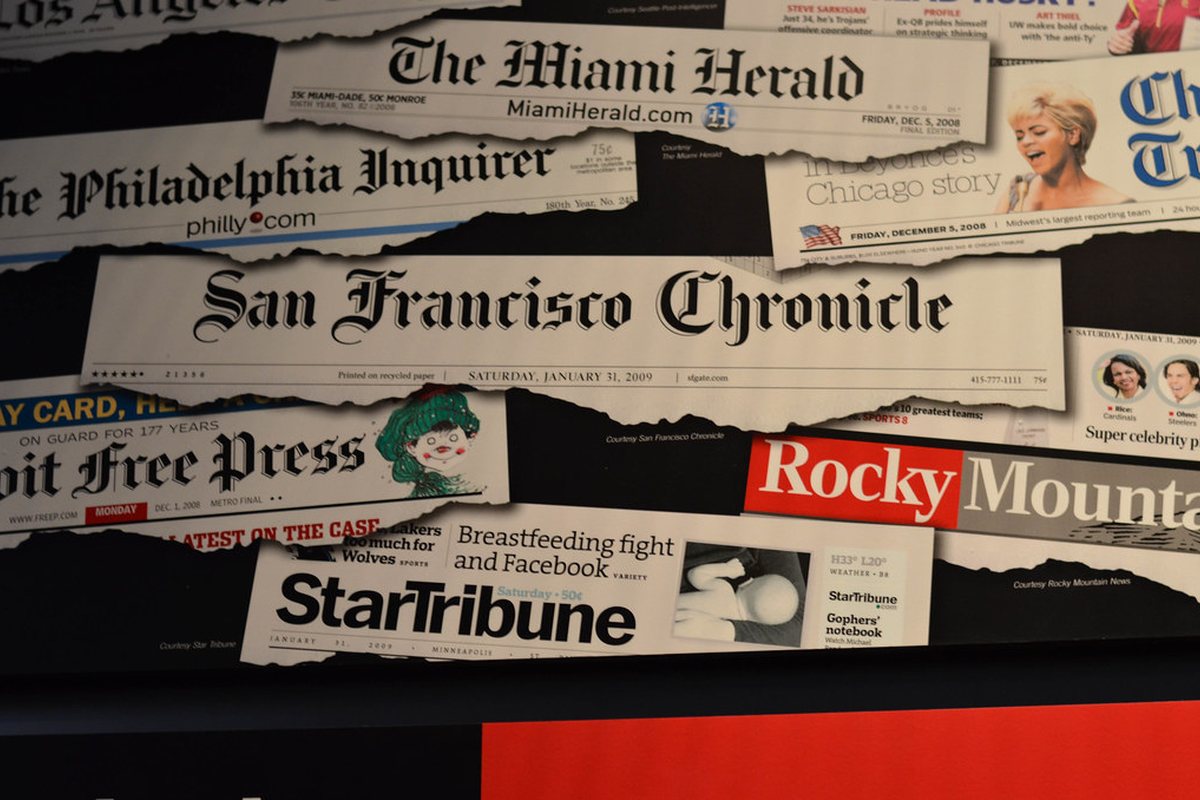
Most captions that fail do so for one of three reasons. They describe the story instead of the frame. They guess at something the photographer did not record. Or they are written so late in the process that nobody is left to check them. All three are avoidable, and all three are cheaper to avoid than to correct after publication.
What the caption has to carry
Start from the frame and nothing else. A caption answers who is in the picture, where it was taken, when it was taken, and why the moment is worth showing. If the picture cannot support one of those answers, the answer does not go in.
Two sentences is the working shape. The first describes the visible action. The second supplies the context a reader needs to place that action in the story — and only that. The caption is a bridge between the image and the text, so it should not repeat the headline, and it should not attempt the analysis the article is there to do.
A caption that reads "The crisis deepens" tells the reader nothing about the photograph. A caption that reads "Staff carry equipment out of the loading bay on the morning the plant closed" tells them what they can see, and lets the picture do its own work.
Tense, and why it matters
The first sentence goes in the present tense, describing what is happening in the frame. The second goes in the past tense, because it describes something that has already been established elsewhere.
This is not a stylistic tic. The split keeps the two kinds of claim apart. Present tense marks what the photographer witnessed; past tense marks what the desk knows from reporting. A reader who understands the convention — and most do, even without being able to name it — can tell at a glance which part of the caption rests on the picture and which rests on the story.
Mixing the two is where captions start to overreach. "Residents flee the flooding that has displaced hundreds" puts a reported figure inside a sentence that claims to describe the frame. Split it, and both halves become checkable.
Naming people
Name left to right, as they appear in the published crop. That last clause carries the weight: if the picture is cropped after the caption is written, the order can change and the names no longer match. This is the most common serious caption error we see in archive material, and it survives for decades because nobody re-reads a caption once the page has gone.
Name only the people you can identify from a record — a photographer's notes, an accreditation list, a reporter's notebook. A face that resembles somebody is not an identification. If two people in a group of four are known and two are not, name the two and say so; a caption that names everybody because three names were available is a caption that has invented one.
Spell names as the subject spells them, not as the wire service does. Check titles against the day of the photograph, not the day of publication — people are promoted, elected and dismissed between the shutter and the page.
The things that must be flagged
Some pictures cannot stand on a plain caption. A photo-illustration, a composite, a reconstruction or a handout supplied by an interested party all need to be labelled as such, in the caption, not in a credit line that a syndication partner may strip.
The same applies to any image where the frame has been altered beyond the ordinary corrections. If a reader would understand the picture differently on learning what was done to it, the caption has to say what was done.
Archive images need their original date, and they need it prominently. A photograph from 2003 running alongside a story from this week is honest only if the caption says 2003 in its first few words. Placing the date at the end, after a present-tense description, produces a caption that is technically accurate and practically misleading.
Where captions actually break
The caption is usually written by whoever is nearest the keyboard at the point the page closes. That is the structural problem, and no style rule fixes it.
What does help is writing the caption at ingest, when the photographer's own metadata is still attached to the file, rather than at layout, when it is not. A caption drafted from the IPTC description field and the capture timestamp starts from the record. A caption drafted from looking at the picture on a layout screen starts from an assumption.
We keep the drafted caption in the asset record, not only in the page. When the same photograph runs again — and in an archive of any age it will — the second use begins from a checked caption rather than from a fresh guess.
A short checklist
- Does the caption describe the frame, or the story?
- Is every name from a record, and is the order the order of the published crop?
- Is the first sentence present tense and the second past tense?
- Is the date of capture in the caption, and is it early enough to be read?
- If the image is a composite, a reconstruction or a handout, does the caption say so?
- Does anything in the caption depend on a fact the photographer could not have recorded?
Conclusion
A good caption is short, checkable and written from the file rather than from the layout. It does not carry the argument of the piece, and it does not carry anything the photograph cannot support. Written that way it costs a few minutes at ingest. Written the other way it costs a correction, and in an archive it costs the same correction every time the picture runs again.