Rights & licensing
Orphan works: publishing a photograph when nobody knows who took it
Every archive holds them. A print in a folder with no credit. A scan inherited from a title that closed. A negative in a box labelled with an event and a year and nothing else.
Written and checked by the Picdar editorial desk
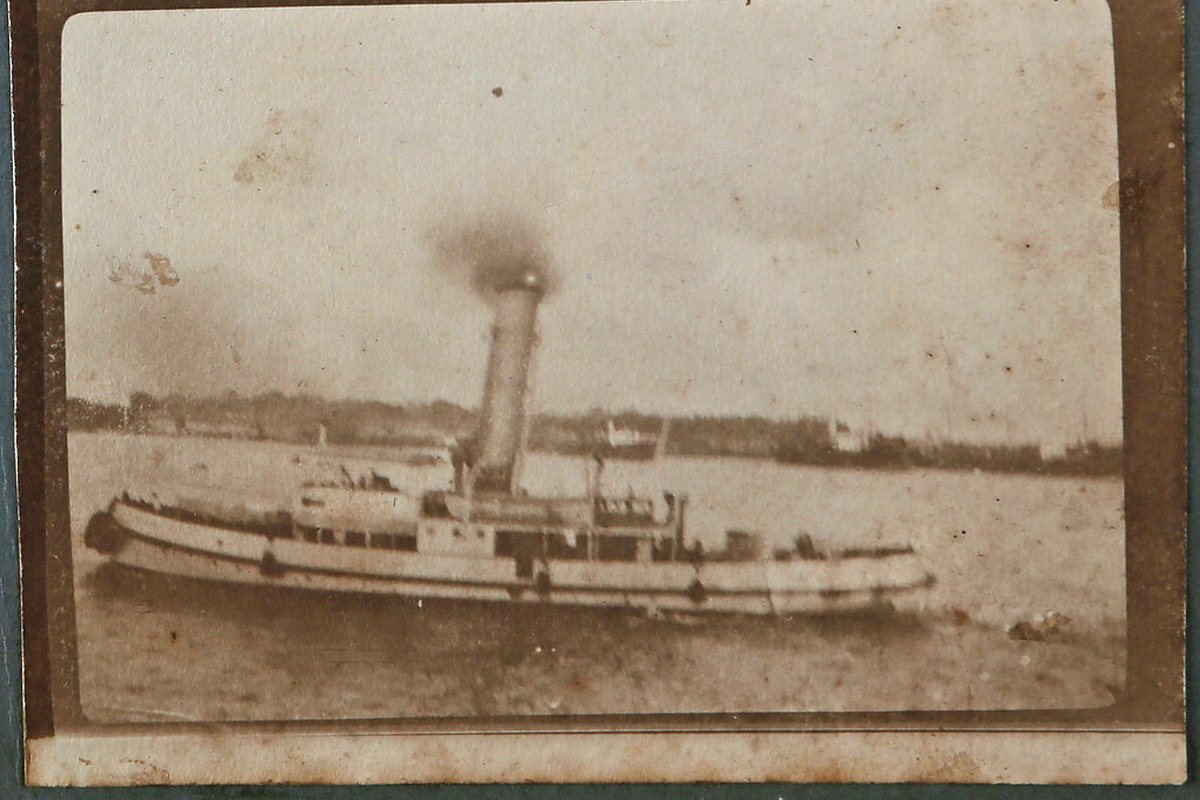
The photograph is almost certainly still in copyright. Somebody owns it. Nobody knows who, and no amount of looking at the image will reveal it. That is an orphan work, and publishing one is a calculated risk that can be made much smaller by doing the work properly.
Why the problem exists
Photographs lose their attribution easily and permanently.
A print is separated from its envelope. A file is re-exported and its metadata is stripped. A freelancer's work is filed under the assignment rather than their name. A publication changes hands and the paperwork does not travel with the images. Within two ownership changes, a substantial part of any picture archive has no recoverable creator.
Copyright does not lapse because the record was lost. The rights persist, held by somebody who may not know they hold them, and they can be asserted later by an heir or a successor company.
The diligent search
The response, wherever you are publishing, is a documented search for the rights holder that was genuine, proportionate to the intended use, and carried out before publication.
What that means in practice:
Examine the object itself. The reverse of a print, the edge of a negative, the frame of a mount. Stamps, agency marks, pencil annotations, and dates are often there and rarely looked at.
Check the file's metadata, including fields that are not displayed by default. Creator and copyright information frequently survives in a file that appears to have none.
Search the obvious registers. Copyright and rights-holder databases, collecting societies for photographers, and picture-industry registries.
Trace the institutional chain. Which publication commissioned it? Does that publication still exist, and if not, who acquired its assets? Successor companies frequently hold rights they have never catalogued.
Ask the specialists. Photographic archives, press-photographer associations, local record offices and museums hold knowledge that is in nobody's database.
Search the image itself. Reverse image search can find a published copy with a credit line, which is sometimes the whole answer in thirty seconds.
Documenting it is the point
An undocumented search has no value, because its value lies entirely in being able to show it later.
Record, for each asset: the date of the search, every source consulted, the search terms used, what each source returned, who carried it out, and the conclusion reached. Keep it with the asset.
This record is what distinguishes a considered decision from carelessness if the rights holder appears. It also prevents the same search being repeated by somebody else next year, which in a working archive is a real cost.
Set a review date. A search that found nothing in 2020 may find something now, because registers grow and archives get digitised.
Publishing anyway
Where the search is complete and nothing has been found, some publications proceed. That is a risk decision, not a legal clearance, and it should be taken deliberately.
If you do proceed:
Credit it honestly — "photographer unknown" — rather than crediting the archive in a way that implies ownership.
Publish a visible route for the rights holder to contact you, and answer it when they do.
Keep the search record accessible, so that the response to a claim can begin with evidence rather than with a search started under pressure.
Decide in advance what you will do if somebody comes forward: remove, negotiate a licence, or pay a fee. Having decided is worth a great deal when the email arrives.
Scale the caution to the use. An archive photograph in a historical piece is a different exposure from the same photograph on a book cover or in a commercial campaign.
Reducing the supply
The orphan works in your archive were created by ordinary processes, and the same processes are creating more right now.
Record the creator at ingest, always, even when it seems unnecessary. Keep the supplier's correspondence attached to the asset. Never overwrite a master with a re-export that has lost its metadata. Capture what the staff who handled the older material remember, while they are still there to ask.
A photograph is orphaned by a series of small omissions, each of which took five seconds to avoid.
Conclusion
An orphan work is in copyright with an untraceable owner. The response is a genuine, proportionate, documented search before publication, a record kept with the asset, an honest credit, a visible contact route and a decision taken in advance about what happens if the owner appears. Everything else is guessing with your publisher's money. This is a working account, not legal advice.