Asset management
What counts as a digital asset in a newsroom
A newsroom produces enormous quantities of files and a much smaller quantity of assets. Telling them apart is the first decision in building a library, and getting it wrong in either direction is expensive.
Written and checked by the Picdar editorial desk
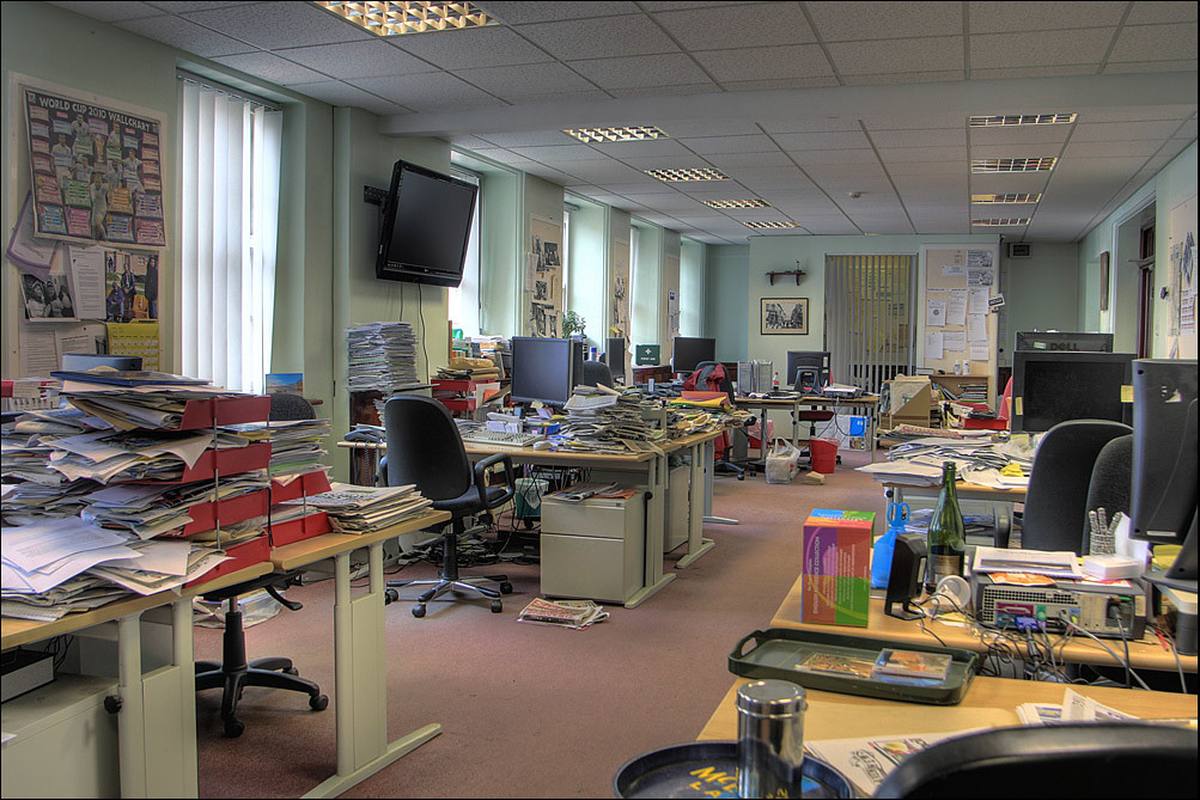
Store everything and the library becomes a disk with a search box: slow, full of duplicates, and untrusted because nobody knows which copy is the real one. Store too little and the material you need in five years was never captured.
The working definition
A file is an asset when three things are true of it.
It can be reused. Somebody, at some future point, will want this specific file again. A photograph can be. A screenshot taken to explain a layout problem cannot.
Its rights are knowable. We can say who made it, who owns it, and what we may do with it. A file whose provenance is unrecoverable is not an asset however good it looks — it is a liability that has been indexed.
It can be described well enough to be found. If nobody can write five useful keywords and a caption for it, nobody will ever retrieve it, and storing it achieves nothing except cost.
All three, not two. The third is the one people skip, and it is why libraries fill with material that is technically present and practically absent.
What qualifies
Photographs, obviously — staff, commissioned, agency and reader-supplied, with the provenance recorded at ingest.
Illustrations and graphics, including the editable source file, not only the exported image. An exported chart cannot be corrected when the figures are revised.
Video and audio, with the rushes kept separately from the published cut. The rushes are the asset; the cut is a derivative.
Documents that the reporting rests on — a released report, a filing, a response to a request. These are reusable, their provenance is clear, and they are frequently needed again when the story develops.
Logos, brand marks and templates, which belong in the library for a different reason: not because they are hard to find but because the wrong version being used is a visible error.
What does not
Layout files and page proofs. They have a home in the production system and they are not reused.
Working exports. The eleven versions produced while getting a crop right are not assets; the master and the final derivative are.
Anything with unresolved rights that nobody intends to resolve. Either do the work to establish provenance or do not store it. Material in the middle state gets used eventually, by somebody who assumes its presence in the library means it was cleared.
Correspondence. It is a record, it may need keeping, and it is not a picture library's job.
Master, derivative, and why the distinction is load-bearing
An asset library holds masters. Everything else is generated from them.
The master is the highest-quality version available: the raw file, the full-resolution scan, the uncompressed export. It is not edited in place and it is not deleted when a derivative exists.
Derivatives — web sizes, crops, greyscale versions, social cards — are generated on demand and linked to the master. They can be regenerated, which means they can be discarded, which means the library does not need to keep every one that was ever made.
Collapsing the distinction is the most common structural failure. Once a downsized JPEG is the only remaining copy, the asset has been permanently degraded and no process notices.
Provenance is part of the asset
Where a file came from is not an optional field. It determines whether it can be used, how it must be credited, and whether anything about it can be trusted.
Record it at ingest, in the asset, not in an email: who supplied it, when, under what terms, and what they said about it. This takes seconds at the point of arrival and is frequently unrecoverable a fortnight later.
For reader-supplied and press-office material it is the whole game. A handout photograph with no record of who sent it or what they permitted is a file that will be published one day by somebody who assumed.
Why the boundary is worth policing
We keep the library narrow deliberately. Every asset carries a cost that is not storage: it has to be described, its rights have to be tracked, and it appears in every search result for the rest of its life.
Material that fails the three tests goes elsewhere — into project storage, into the archive of record, or nowhere. That keeps the library small enough that its contents can be trusted, which is the only property that makes anybody use it.
Conclusion
An asset is reusable, rights-knowable and describable. Keep masters and generate derivatives. Record provenance at the moment of arrival, because it is cheap then and impossible later. A library built on those rules will be smaller than the newsroom's file store by an order of magnitude, and it will be the only part of it anybody searches.